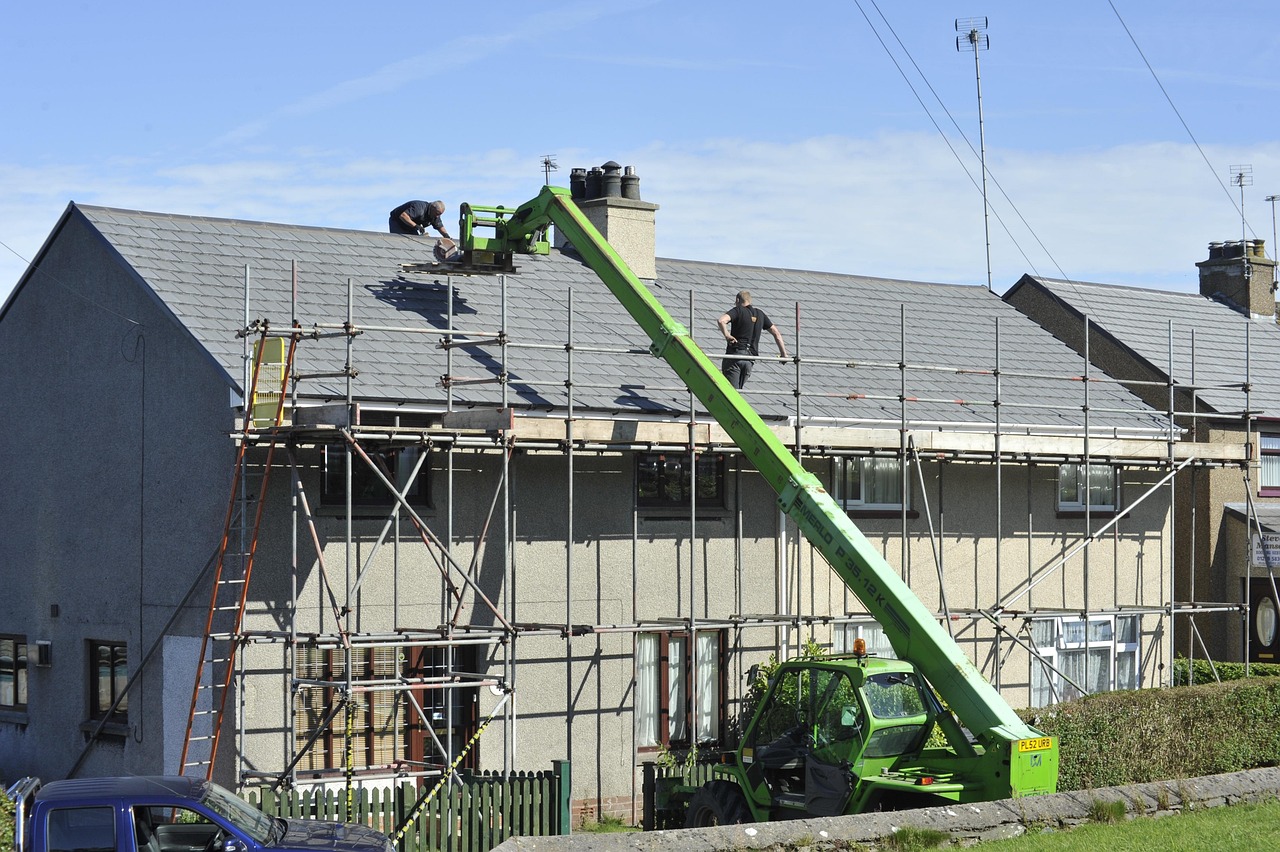


⚡ TL;DR: Learn to avoid five common traps in asphalt shingle roof installation in Philadelphia, such as skipping ice dam underlayment and neglecting local codes, for a reliable roof in Philly's climate.
📋 What You’ll Learn
In this Philly roofing guide, you’ll learn to sidestep five common asphalt shingle traps tailored to Philadelphia’s freeze-thaw cycles, humid summers, and urban weather challenges for a durable, leak-free roof.
- Prevent ice dam disasters by choosing Philly-specific underlayment that shields against heavy snowmelt and refreezing, avoiding costly leaks and structural damage in Pennsylvania winters.
- Master ventilation essentials to combat humid summers and freezing winters, ensuring proper airflow that stops moisture buildup, shingle curling, and premature roof failure.
- Select impact-resistant shingles over cheap options to withstand Philly’s hail, wind, and debris, extending roof life and boosting insurance discounts for homeowners.
- Ensure flawless flashing work around chimneys and vents to block water intrusion, preventing rot, mold, and expensive repairs from poor installation shortcuts.
- Navigate local codes confidently by securing permits and following Philly regulations, dodging fines, failed inspections, and redo costs on your shingle project.
📖 Reading time: 7 min
✍️ Author expertise: Philly roofer with 20 years of asphalt shingle installs from real local field experience.
You're staring at a fresh asphalt shingle roof in Philly, convinced you've dodged the bullet after that brutal winter storm season.
Then bam – leaks start dripping through your ceiling during the first humid summer rain, and your wallet's screaming for mercy on emergency fixes.
Sound familiar? Plenty of Philadelphia homeowners fall into these asphalt shingle traps every year, but you don't have to.
Read on to spot the five biggest pitfalls in shingle roof installation and lock in a setup that crushes Philly's weather without breaking the bank.
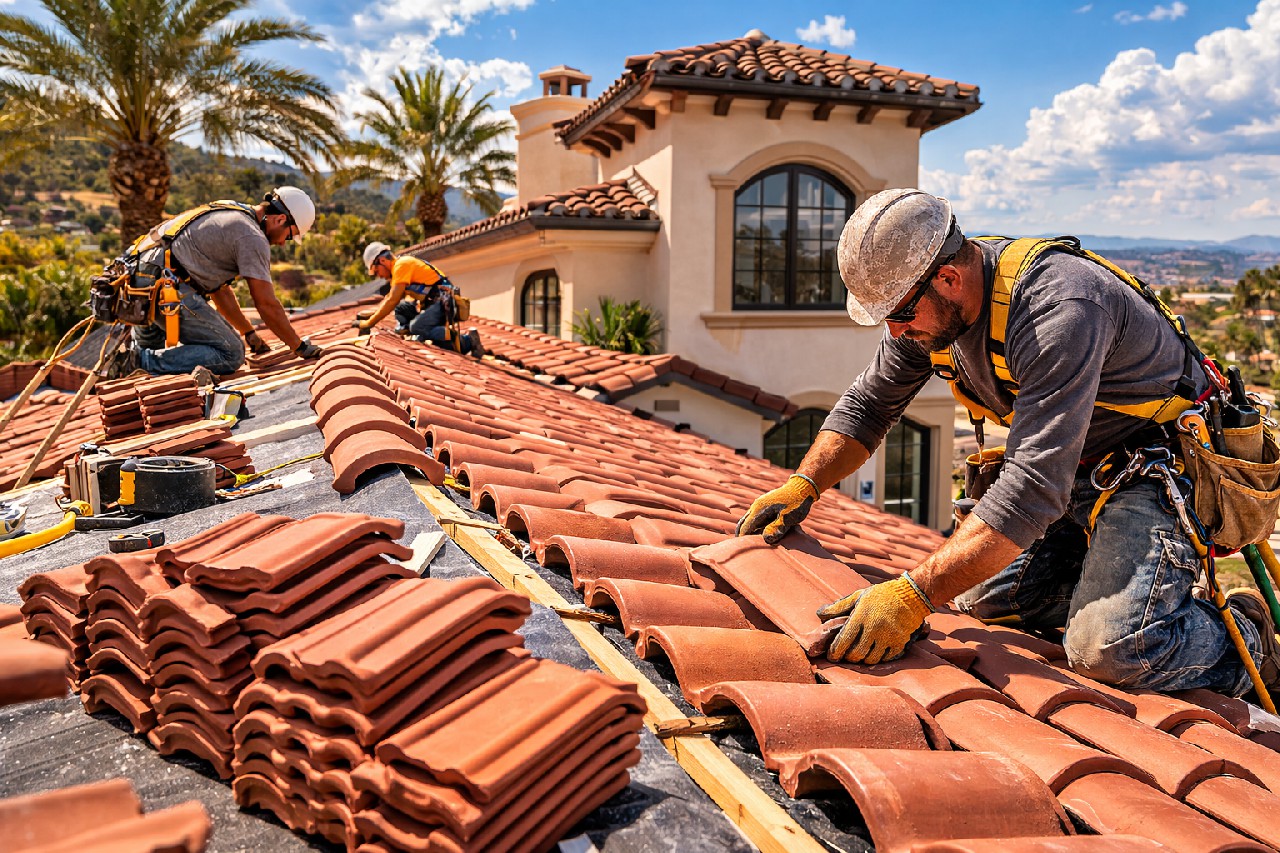
Trap #1: Skipping Philly-Specific Underlayment for Ice Dams
Philly winters hit hard with snow piling up, then melting during those freak thaws. Water backs up under your shingles, forming ice dams that punch right through standard felt underlayment. Suddenly, you're dealing with ceiling stains and rot before spring even shows up.
Here's the fix: demand ice and water shield underlayment in the eaves, valleys, and around penetrations. This sticky membrane seals out water completely, no matter how brutal the freeze-thaw cycle gets in neighborhoods like Manayunk or Northern Liberties.
- Extend it at least 24 to 36 inches inside the exterior wall line, per Philly pros.
- Skip cheap asphalt-saturated felt; it tears and lets leaks through.
- Check for self-adhering types rated for Philly's wild temps.
One layer of this right saves you thousands in water damage claims. Cut this corner, and your "new" roof fails in year one.
Trap #2: Ignoring Ventilation in Humid Summers and Freezing Winters
Philly's weather flips from sticky, muggy summers to bone-chilling winters faster than a cheesesteak line at lunch. Skip proper roof ventilation, and you're trapping hot air and moisture in your attic like a sauna gone wrong. That buildup cooks your asphalt shingles from the inside out.
Come winter, trapped heat melts snow on your roof, only for it to refreeze at the edges. Ice dams form. Water sneaks under shingles, rotting your decking and staining ceilings.
Spot the Ventilation Red Flags
- Shingles curling or cracking early.
- High energy bills from poor attic temp control.
- Mold smells or wet spots in the attic.
Fix this trap upfront. Demand balanced ventilation: soffit vents for cool air intake, ridge vents for hot air escape. Aim for one square foot of vent area per 150 square feet of attic space, per local pros. Your roof lasts longer, bills drop, and Philly's wild swings can't touch you.
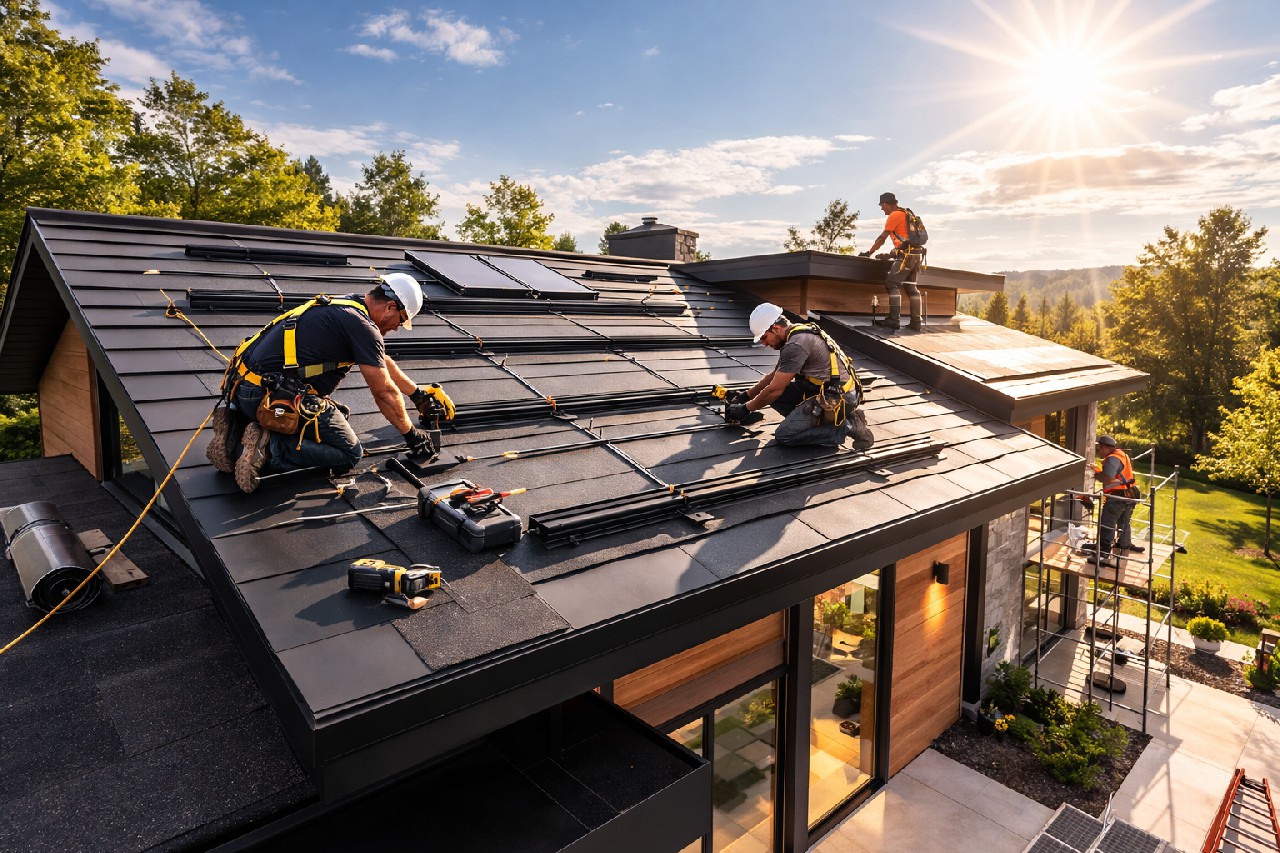
Trap #3: Choosing Budget Shingles Over Impact-Resistant Grades
Philly's hail storms hit hard. Those cheap 3-tab shingles? They shatter like glass under a golf-ball-sized hailstone. You end up with pockmarks everywhere, leading to early leaks and a full roof tear-off in just a few years.
Impact-resistant shingles change the game. Rated Class 4 by UL, they take a beating from hail up to two inches without cracking. In Philly, where wind gusts rip through and debris flies, these bad boys hold tight and slash your repair bills.
Spot the Winners Before You Buy
- Check for Class 4 impact rating – the gold standard.
- Ask about thicker nailing zones for storm-proof grip.
- Look for 110 mph wind warranties – Philly breezes demand it.
Insurance companies love them too. Many offer premium discounts up to 30%. Skip the budget trap, and your roof laughs off Philly's punches.
Trap #4: Poor Flashing Installation Around Chimneys and Vents
Picture this: rain pounds your Philly rowhome, slipping right past sloppy flashing into your attic. Flashing – those metal shields around chimneys, vents, and skylights – seals out water. Botch it, and you're staring at rot, mold, and a roof that fails way too soon.
Contractors cut corners with thin, cheap materials or skip step-flashing entirely. In Philly's wild swings from drenching downpours to icy blasts, this spells disaster. Your shingles lift, water infiltrates, and boom – interior damage skyrockets repair costs.
Spot and Fix It Right
- Insist on galvanized steel or copper flashing, woven perfectly with shingles.
- Check for counter-flashing tucked under siding, not just slapped on.
- Hire crews who nail kick-out flashing at walls to divert water away.
One overlooked gap here, and your investment crumbles. Demand perfection – it pays off in years of leak-free living.
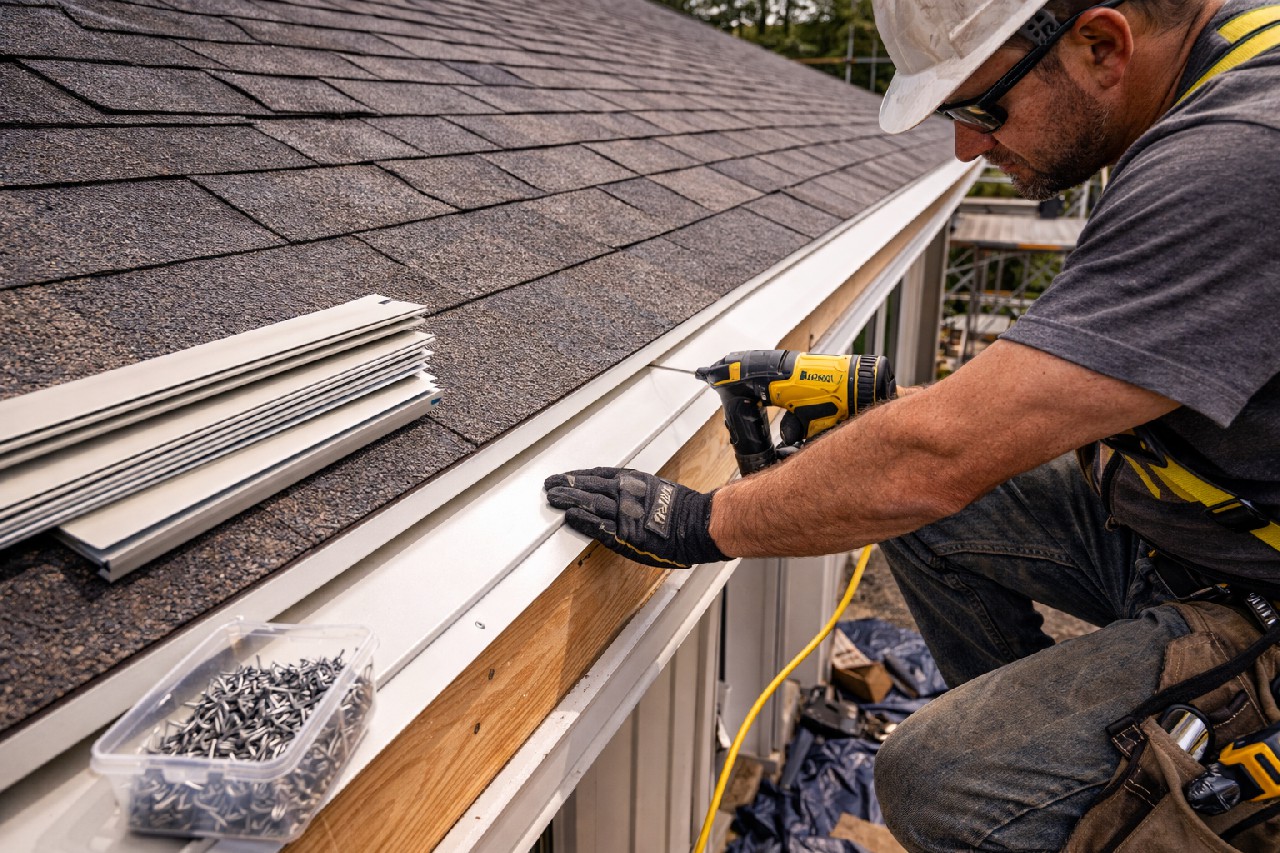
Trap #5: Neglecting Local Building Codes and Permits
Philly's building codes aren't suggestions. They're ironclad rules shaped by our wild weather swings, from nor'easters to heat waves. Skip them, and your new asphalt shingle roof turns into a liability bomb.
Philadelphia requires permits for most roof replacements over 100 square feet. Your contractor must pull these from the Department of Licenses and Inspections (L&I), proving the job meets wind uplift standards and fire ratings for asphalt shingles.
Why does this bite homeowners hard? Fines stack up fast - think $300 a day plus stop-work orders. Worse, no permit means no insurance payout if hail shreds your roof next storm, and warranties vanish into thin air.
Quick Checklist to Stay Legal
- Ask for proof of permit application upfront.
- Verify shingles hit Class A or B fire ratings per Philly code.
- Confirm ice and water shield coverage matches L&I specs for slopes under 4:12.
- Insist on a final inspection sticker before final payment.
Hand this to a fly-by-night crew, and you're gambling big. Stick with pros who sweat the paperwork so you sleep easy.
Case Study: Saving a Fishtown Home from Shingle Failure
Meet Mike, a Fishtown rowhouse owner who'd just sunk $12K into new asphalt shingles last spring. By winter, ice dams punched leaks right through his attic. Turns out, the crew skipped Philly-grade ice and water shield underlayment and botched chimney flashing.
We tore it off and started fresh. First, full underlayment coverage along eaves and valleys. Then, proper venting with ridge caps to fight summer humidity buildup. Impact-rated shingles went on next, shrugging off hail like pros.
Quick Wins from the Fix
- Energy bills dropped 18% thanks to better airflow.
- No leaks after back-to-back nor'easters.
- Mike's roof now carries a 50-year warranty, code-compliant from day one.
One year later, Mike's calling it his best home investment. Dodging those five traps turned a nightmare into a bulletproof shield.
Final Thoughts
Philly's roofs take a beating year-round. Skip these traps, and yours lasts decades longer.
Hand your next asphalt shingle job to a crew that gets our city's quirks. They nail the underlayment, ventilation, and codes right from the start.
Quick Wins for Your Roof
- Get impact-resistant shingles rated for hail.
- Insist on pro flashing around chimneys.
- Check our Asphalt Shingle Roof Installation guide for more tips.
One smart call now beats endless repairs later. Your Fishtown-style home deserves it.
People Also Ask
How can I prevent ice dams on my asphalt shingle roof in Philadelphia?
In Philly's harsh winters, ice dams form due to temperature fluctuations, causing water backup under shingles. Use ice and water shield underlayment in vulnerable areas like eaves and valleys, as required for local conditions. Proper attic insulation and ventilation also prevent heat buildup that melts snow prematurely.
What underlayment is best for asphalt shingles in Philadelphia?
Standard felt underlayment isn't enough for Philly's freeze-thaw cycles; opt for self-adhering ice and water shield, especially in the first three rows and around penetrations. This Philly-specific choice protects against ice dams and wind-driven rain common in the area. Always follow manufacturer guidelines for compatibility with your shingles.
Are impact-resistant shingles necessary in Philadelphia?
Philadelphia experiences frequent hail and high winds, making impact-resistant shingles a smart choice for longevity. These Class 4 rated shingles withstand severe weather better than budget options, potentially lowering insurance premiums. They provide superior granule adhesion and durability against Philly's stormy climate.
Why is proper roof ventilation important in Philadelphia?
Philly's humid summers and freezing winters create moisture buildup that shortens shingle life without adequate ventilation. A balanced intake and exhaust system prevents heat and moisture trapping, reducing premature granule loss and shingle curling. Aim for 1:150 ventilation ratio per local best practices.
What are Philadelphia's building codes for asphalt shingle roofs?
Philly enforces strict codes under the 2018 International Building Code, requiring permits for all roof replacements over 100 sq ft. Installations must include proper flashing, underlayment, and wind-resistant nailing patterns for Zone 1 winds. Always hire licensed contractors to ensure compliance and avoid fines.

Philadelphia Roofing offers extensive experience in residential and commercial roofing services throughout Philadelphia, PA. The team specializes in repairs, replacements, and installations designed for the local climate and architecture. Committed to the Philadelphia community, they provide reliable workmanship for homeowners and businesses.
Need Roofing?
Fast roof repairs and replacements in Philadelphia, PA and nearby areas (19103, 19107, 19111, 19123, 19148), delivering leak-free, weather-resistant homes quickly.
Get Roof Quote