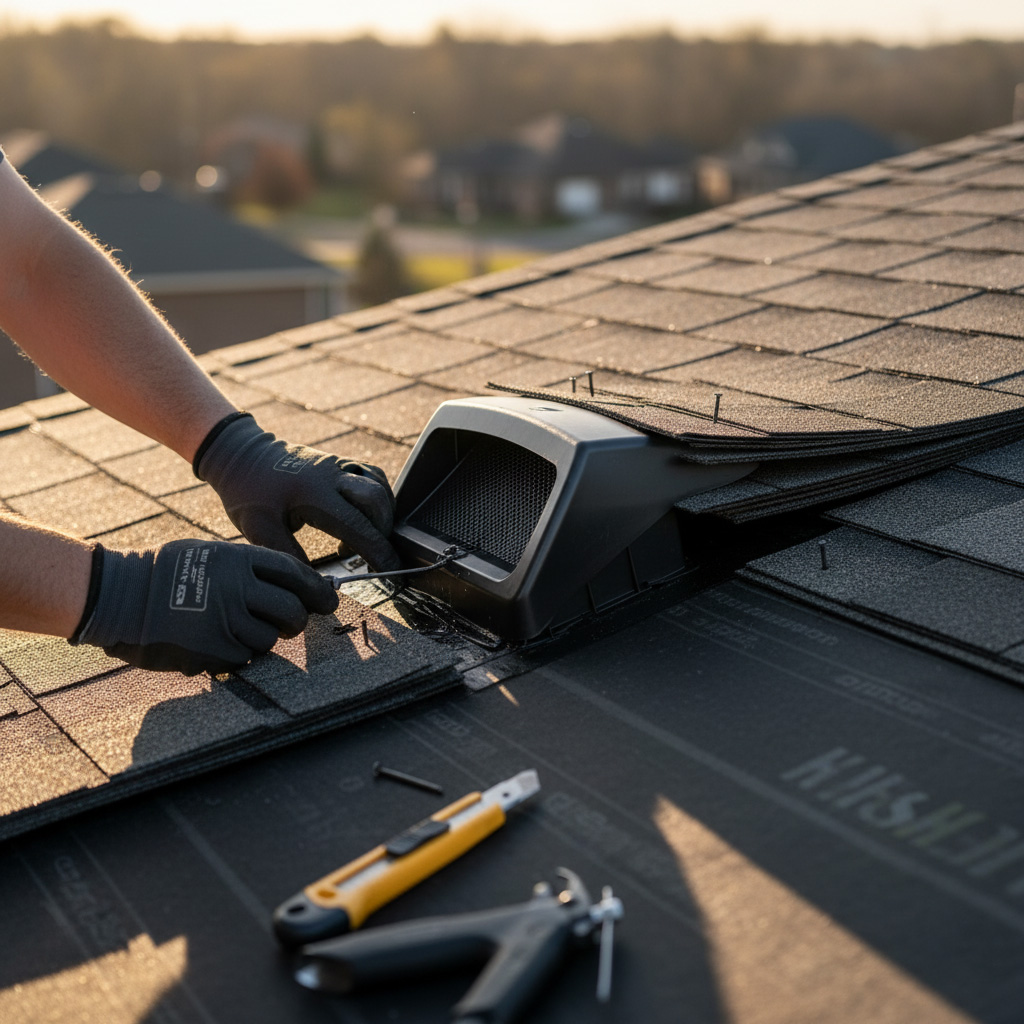


⚡ TL;DR: Philadelphia homeowners discover essential roof inspection truths, from attic red flags and ice dams to ventilation flaws and chimney checks, to protect against local winter damage.
📋 What You’ll Learn
In this guide to roof inspections in Philadelphia, PA, you'll uncover the raw truths Philly locals demand first to protect homes from winters, leaks, ice dams, and hidden disasters.
- Spot attic red flags Philly winters hide like insulation gaps and moisture traps that signal impending rot and energy loss before they escalate into emergencies.
- Unmask shingle wear versus flashing failures to catch sneaky leaks early, preventing the water damage that plagues Philly roofs year after year.
- Detect ice dams, Philly's roof assassins through telltale signs and prevention tactics, saving your interior from devastating winter melt floods.
- Expose ventilation vices breeding mold and rot, plus must-do chimney and skylight checks every Philly inspector prioritizes for roof survival.
- Learn from a South Philly rescue case how timely inspections avert total collapse, with final tips for demanding the best service.
📖 Reading time: 7 min
✍️ Author expertise: Philly roofer with 25 years inspecting local rowhomes and twins from daily field experience.
Philly winters hit hard, don't they? That relentless mix of snow, ice, and freeze-thaw cycles chews up roofs faster than a cheesesteak disappears at Pat's.
Yet every day, locals call us panicked about leaks or sagging shingles, only to discover their "routine" inspection skipped the real culprits lurking above.
Today, we're cutting through the BS with the straight-talk truths Philly roof owners demand upfront, before handing over a dime.
Keep reading to arm yourself with the intel that spots roof killers early and saves you thousands in disasters.
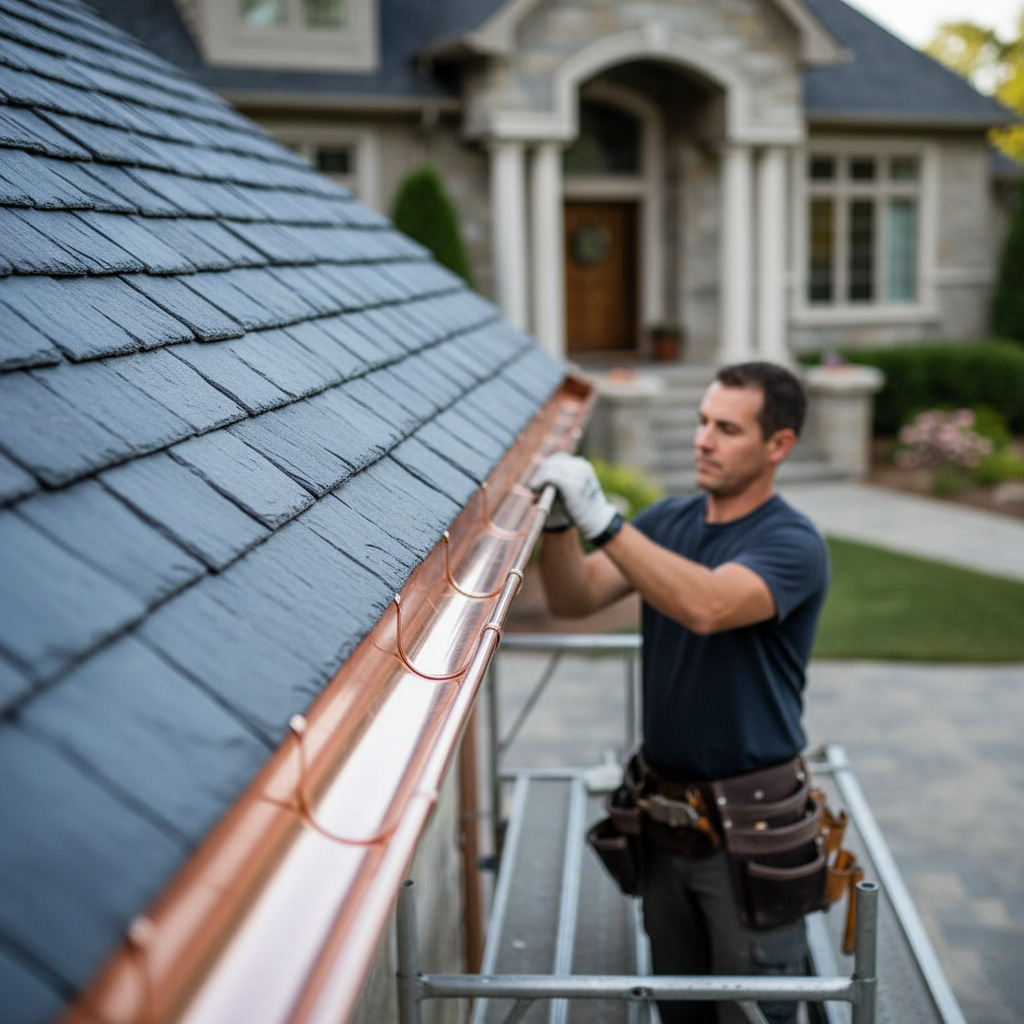
Truth #1: Attic Red Flags Philly Winters Ignore at Your Peril
Climb into your attic after the first big freeze, and what you see could save your house. Philly's brutal winters turn tiny oversights into catastrophes. Ignore them, and you're handing Mother Nature the keys to your wallet.
Spot These Killers Before They Spread
- Frost patterns on the underside of your roof deck? That's warm air sneaking up, melting snow above, then refreezing into ice dams.
- Dark streaks or wet insulation clumped like soggy hoagie bread? Leaks are already partying up there, rotting your structure from inside out.
- Sagging rafters or musty odors hitting you like a SEPTA delay? Poor ventilation is trapping moisture, breeding mold faster than tourists crowd Reading Terminal.
Grab a flashlight and check now. These signs scream for immediate pro inspection. Wait, and that "minor" issue balloons into a full roof rip-off come spring.
Truth #2: Shingle Wear vs. the Hidden Flashing Failures
Everyone stares at curled shingles or bald spots after a Philly storm. Fair enough. But those are just symptoms.
The real killer? Flashing failures you never see until water's pouring in. Flashing seals edges around chimneys, vents, and valleys. Skip it, and your roof turns into Swiss cheese.
Spot These Sneaky Signs Before It's Too Late
- Stains or rust streaks near pipes or dormers.
- Granules piling up in gutters from accelerated wear.
- Soft spots or bubbles under shingles nearby.
Philly's wind and rain hammer flashing first. A quick lift reveals cracked solder or loose seams. Fix shingles alone? You're just delaying the flood.
Insist your inspector probes every flashing joint. One overlooked failure in a South Philly rowhome cost a client $15K last winter. Don't let it be you.
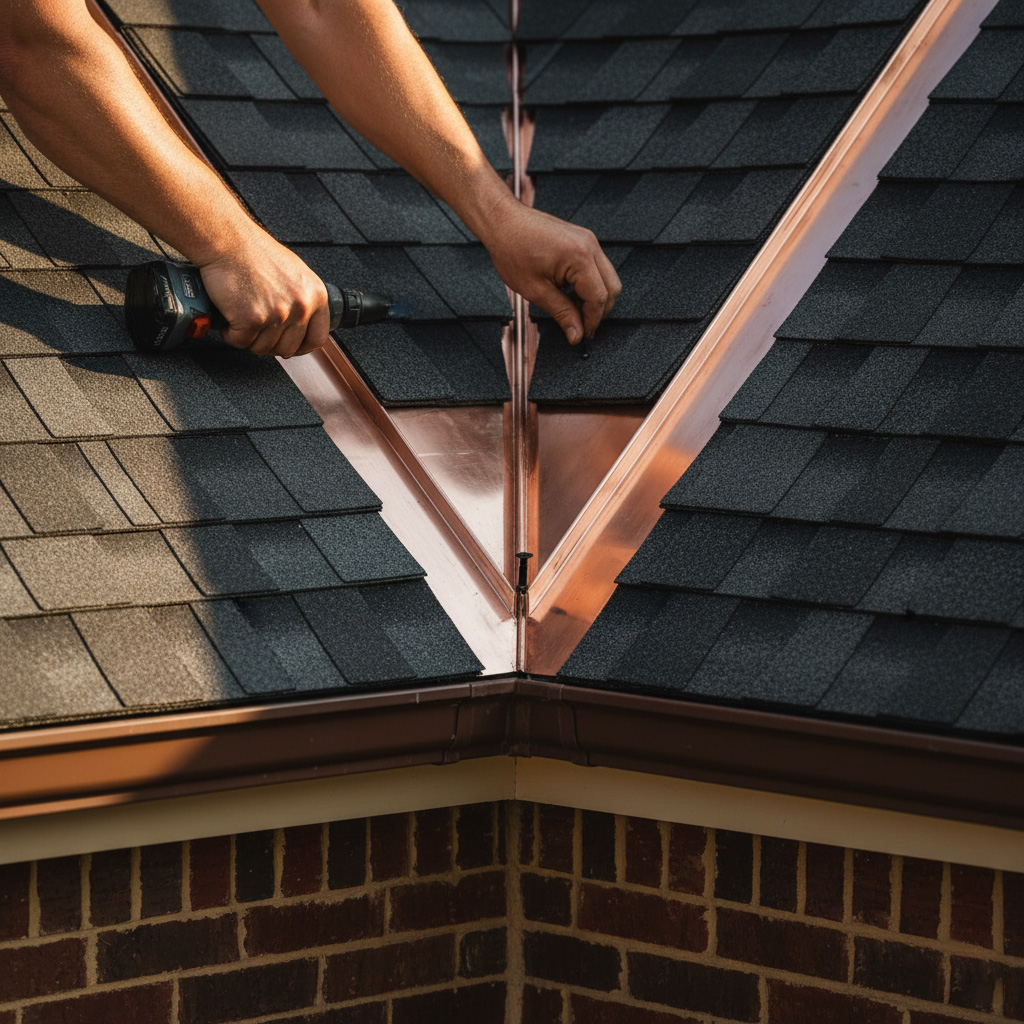
Truth #3: Ice Dams – Spotting Philly's Silent Roof Assassins
Picture this: heavy snow piles up on your roof. Warmth from your attic melts the bottom layer. That water hits the cold eaves, freezes solid, and boom – an ice dam forms.
Water backs up under shingles. It seeps into your home. Suddenly, your ceilings drip and walls stain, all while the dam hides outside like a sneaky thief.
Dead Giveaway Signs Your Roof's Under Ice Dam Siege
- Icicles dangling longer than a Reading Terminal line – sure sign of melt-refreeze action.
- Water stains or bubbles on eaves soffits or inside walls near the edge.
- Gutters overflowing with ice chunks, even after a mild day.
Inspectors worth their salt climb up and probe those eaves. They check for hidden backups that scream future floods. Spot these early, or kiss your drywall goodbye come spring thaw.
Truth #4: Ventilation Vices That Breed Mold and Rot
Poor roof ventilation traps hot, moist air in your attic. Philly's humid summers bake it in, then winter freeze-thaw turns it to rot city. Skip this check, and you're feeding a mold monster that chews through wood like termites at a picnic.
Spot These Dead Giveaways Fast
- Rafter stains from condensation drips.
- Musty attic smells that hit you like old gym socks.
- Peeling insulation or frost buildup on nails in winter.
Inspectors drill down on intake vents at the soffits and exhaust up top. Balance is key. Too much out without air in? You create a vacuum that sucks in outside crud and ramps up energy bills.
Fix it right, and your roof breathes easy, dodging the black mold nightmare that tanks home values overnight. We've yanked out rotted decks from vents clogged with leaves and bird nests. Don't let yours be next.
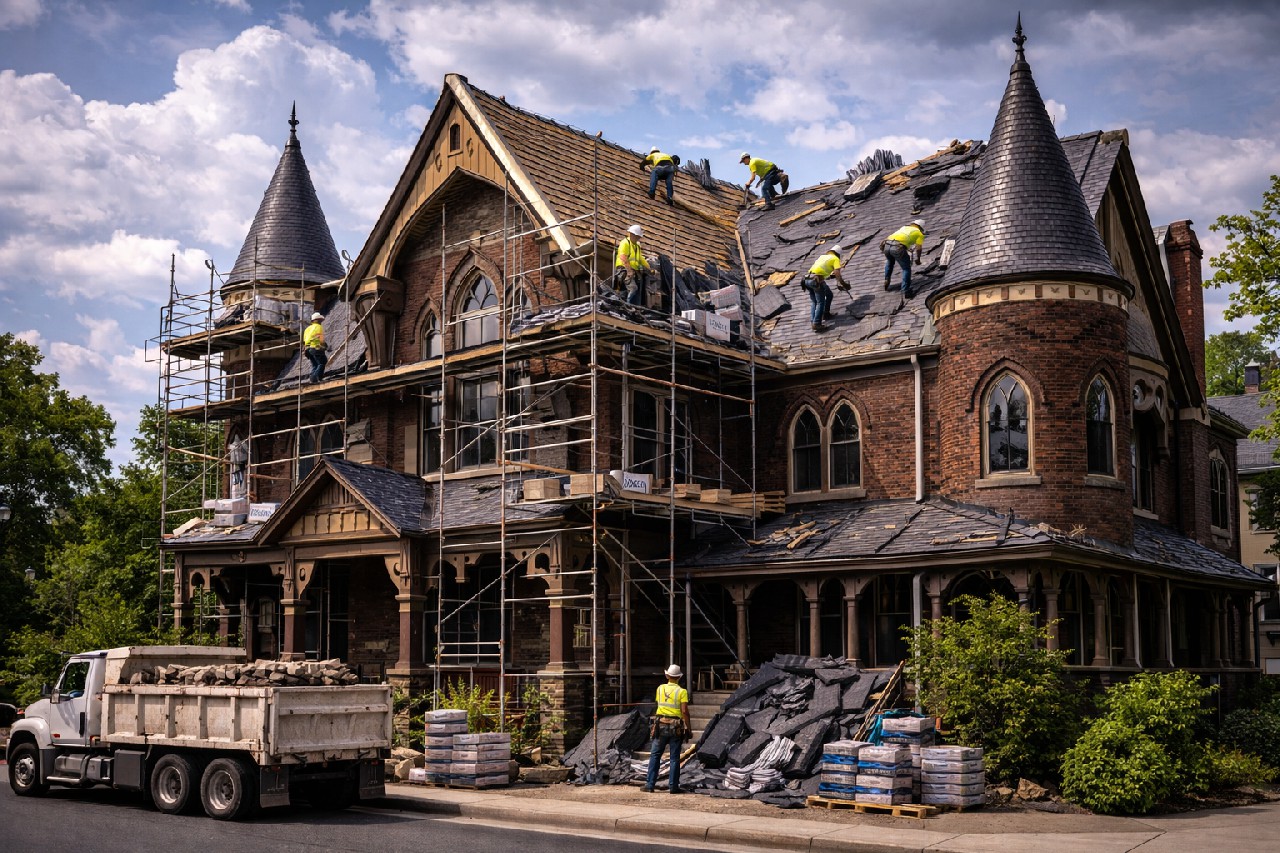
Truth #5: Chimney and Skylight Checks No Inspector Skips
Chimneys and skylights? They're the sneaky weak spots where water loves to invade Philly homes. Skip these checks, and you're begging for interior damage that spreads fast.
Our crews never gloss over them. Here's what we hunt for every time.
Chimney Red Flags
- Cracked mortar or loose bricks – freeze-thaw turns tiny gaps into gushing leaks.
- Missing or rusted flue caps – lets critters and rain straight down your chimney.
- Flashing separation – where chimney meets roof, this is prime leak territory.
Skylight Killers to Spot
- Cracked seals or foggy glass – condensation means seals failed, water's next.
- Curled shingles around the frame – wind and ice push them up, inviting storms in.
- Pooled water or stains below – silent sign of penetration you can't ignore.
Spot these early? You dodge gut-wrenching repairs. Demand your inspector photographs these areas – proof they're not cutting corners.
Case Study: Rescuing a South Philly Twin from Total Collapse
Meet Tony from South Philly. His classic twin rowhome was built in the '20s, solid brick outside but rotting inside from years of skipped inspections. One call last February, and we climbed up to find water stains creeping across the ceiling.
Attic dive revealed the nightmare. Ice dams had melted into the sheathing, feeding mold behind the drywall. Shingles looked okay from the street, but flashing around the chimney was shot, letting sleet pour straight into the rafters.
- Pulled back insulation: Wood beams soft as butter.
- Checked vents: Blocked with debris, trapping steam from the kitchen below.
- Skylight seals? Cracked wide open, funneling rain like a bad gutter.
We stripped the bad sections fast. Installed new ice and water shield, fixed the flashing, cleared vents, and sealed that skylight tight. Tony's roof stands strong now, no more midnight leaks. Cost him way less than a full tear-off would have.
Final Words
Look, Philly roofs don't fix themselves. That drip in your ceiling? It's screaming for a pro inspection now.
Skip the DIY traps. Call in experts who hunt these five truths like bloodhounds.
Grab Your Roof Lifeline Today
- Spot attic red flags before winter bites.
- Catch flashing fails hiding under shingles.
- Kill ice dams dead in their tracks.
- Fix ventilation before mold moves in.
- Inspect chimneys and skylights right.
Head over to our Roof Inspection page. Book that check. Sleep easy under a bulletproof roof.
People Also Ask
How often should Philadelphia homeowners get a roof inspection?
Philadelphia homeowners should schedule professional roof inspections at least once a year, ideally in the fall before winter, and after major storms. Philly's harsh winters and humid summers accelerate wear, making biannual checks ideal for rowhomes and twins. Early detection prevents costly repairs from issues like ice dams or shingle deterioration.
What are the biggest red flags in a Philly attic during roof inspections?
Key attic red flags include water stains, mold growth, and inadequate insulation exposed to Philly's freeze-thaw cycles. Poor ventilation often leads to rot in wooden rafters, which locals ignore until leaks appear. A certified inspector will check for these perils to safeguard your home's structure.
How can I spot and prevent ice dams on my Philadelphia roof?
Ice dams form when snow melts and refreezes along roof edges, common in Philly due to temperature swings; look for icicles, bulging shingles, or ceiling stains inside. Prevent them with proper attic insulation, ventilation, and gutter maintenance. Professional inspections identify vulnerabilities before they cause interior water damage.
Why is flashing failure a hidden danger in Philadelphia roofs?
Flashing around chimneys, vents, and valleys corrodes quickly from Philly's rain and snow, allowing hidden leaks that rot sheathing. Unlike visible shingle wear, flashing failures go unnoticed until major damage occurs. Inspectors prioritize these areas to ensure long-term roof integrity.
What role does ventilation play in preventing mold in Philly homes?
Inadequate roof ventilation traps moisture in Philly's humid climate, breeding mold, rot, and higher energy bills. Proper soffit and ridge vents allow airflow to keep attics dry year-round. During inspections, experts assess and recommend upgrades to protect your home from these vices.

Philadelphia Roofing delivers expert roofing services with extensive experience serving the Philadelphia area. The team specializes in installations, repairs, and maintenance designed for the region's unique climate challenges. Committed to Philadelphia homeowners and businesses, they emphasize quality craftsmanship and reliable results.
Need Roofing?
Fast roof repairs and replacements in Philadelphia, PA and nearby areas (19103, 19107, 19111, 19123, 19148), delivering leak-free, weather-resistant homes quickly.
Get Roof Quote