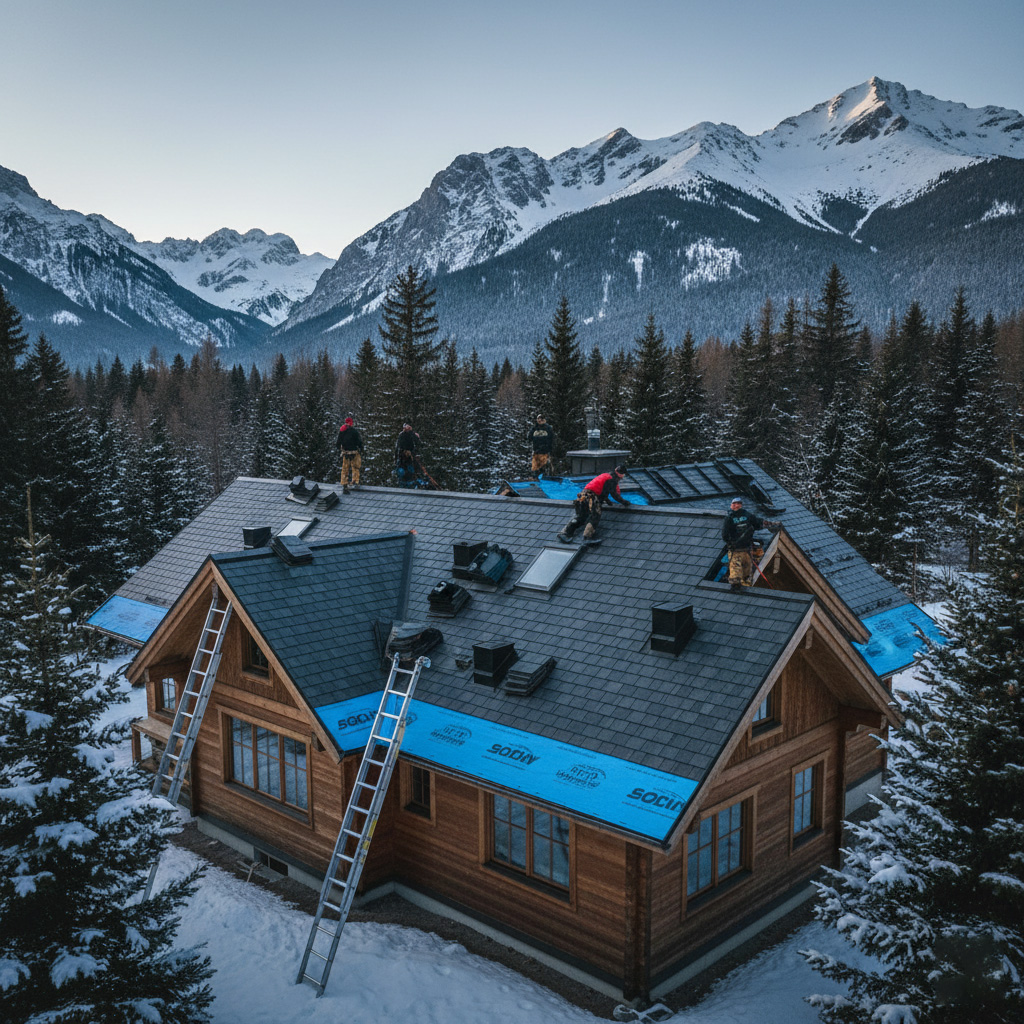


⚡ TL;DR: This guide walks Philly homeowners through roof installation, from spotting replacement signs and picking durable materials to prepping, step-by-step processes, and hiring local experts.
📋 What You’ll Learn
In this ultimate guide to roof installation for Philly homes, you’ll master assessing needs, selecting weather-tough materials, prepping effectively, and hiring pros for a lasting, code-compliant roof.
- Spot key signs it’s time for a new roof like leaks, missing shingles, or granule loss, tailored to Philly’s harsh winters, humidity, and rowhome wear patterns.
- Choose Philly-tough roofing materials from asphalt shingles and metal to slate tiles that withstand heavy snow, wind, and urban heat for decades of protection.
- Master pre-installation prep steps including permits, attic insulation checks, and debris clearance to ensure smooth, compliant work on Philadelphia’s historic and modern homes alike.
- Follow the step-by-step installation process customized for local codes, steep pitches, and weather delays, from underlayment to flashing for superior waterproofing and ventilation.
- Hire the right local roofing crew using tips on credentials, warranties, and real Center City case studies to avoid pitfalls and guarantee quality results.
📖 Reading time: 7 min
✍️ Author expertise: Philly roofer with 15+ years of hands-on installations on rowhomes and historic properties.
Philly's brutal weather doesn't pull punches—nor'easters slam your roof with ice and wind, while summer heat bakes shingles brittle.
One wrong move during installation, and you're staring at leaks, mold, or a total collapse come next storm season.
This guide cuts through the chaos with proven steps tailored for Philly homes, from picking materials that laugh at our climate to hiring crews who get it right the first time.
Ready to shield your castle? Let's roll up our sleeves and get into the details.
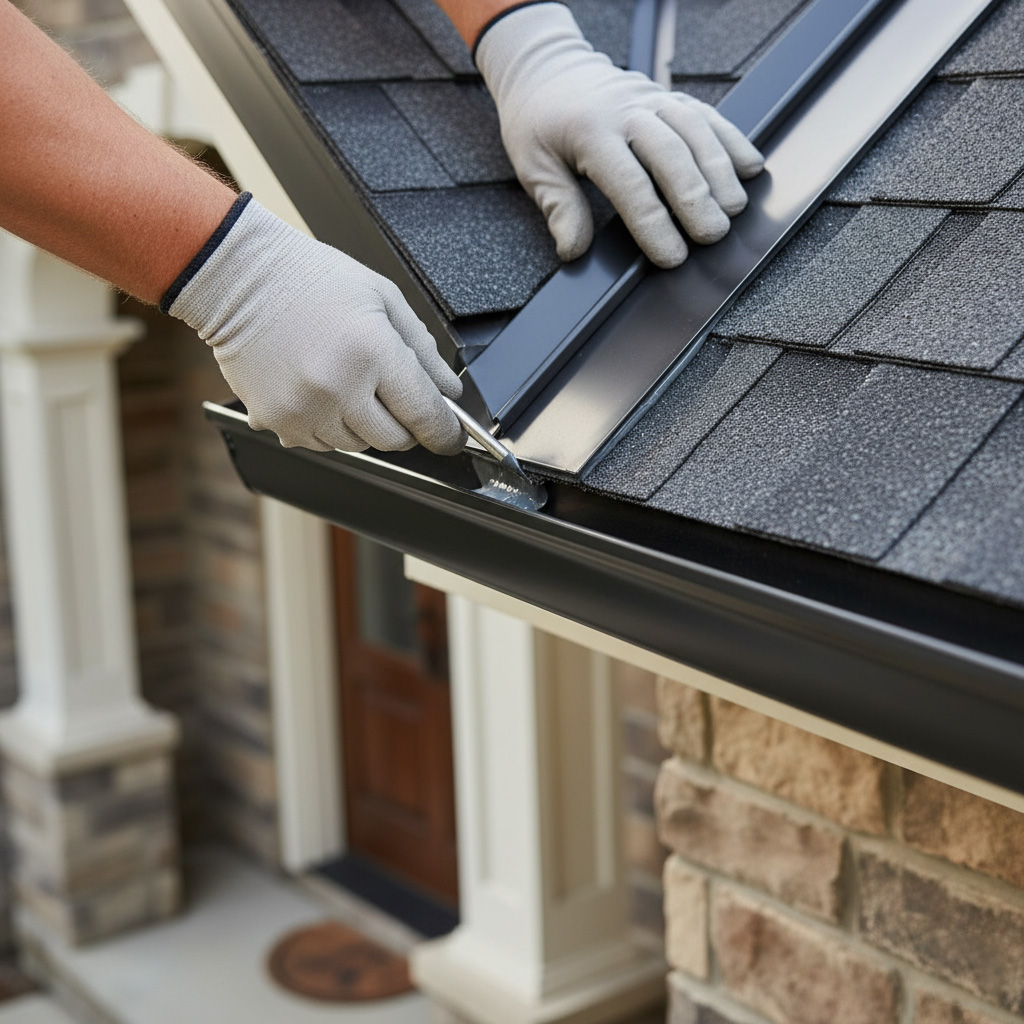
Assessing Your Roof: Key Signs It's Time for Installation in Philly
Spot trouble early, and you dodge disaster. Philly roofs take a beating from endless freeze-thaw cycles and gale-force winds. Walk your property after the next storm—grab binoculars if needed—and hunt for these dead giveaways.
Red Flags Screaming "Replace Me Now"
- Missing or curling shingles: Wind rips them loose, opening paths for water.
- Granule buildup in gutters: Your asphalt shingles are shedding like a dog in summer—lifespan down to months.
- Interior leaks or stains: Ceiling spots mean water's already inside, breeding mold fast.
- Sagging or buckling: Structural failure incoming, especially on older rowhomes.
- Age over 20 years: Even solid installs wear out against our brutal nor'easters.
Ignore these at your peril. A quick pro inspection costs peanuts compared to emergency repairs. Call in a local roofer today—Philly winters wait for no one.
Choosing Philly-Tough Materials: Shingles, Tiles, and More
Your roof faces Philly's wild swings: freezing sleet one day, scorching sun the next. Pick wrong, and it cracks under pressure. Go right, and it stands strong for decades.
Asphalt Shingles: The Smart Philly Staple
Asphalt shingles dominate here for good reason. They're affordable, quick to install, and come in impact-resistant grades that shrug off hail and flying debris from nor'easters.
Look for ones with algae-resistant granules. They fight off those ugly black streaks from our humid summers. Skip the cheap stuff; invest in 30-50 year architectural shingles built for East Coast beatings.
- Wind rating: At least 130 mph to handle gusts off the Delaware.
- Fire-rated Class A: Meets Philly's strict codes.
- Cost: $4-7 per square foot installed.
Metal Roofing: Bulletproof for Rowhomes
Metal roofs laugh at ice dams and high winds. Standing seam panels lock tight, shedding snow like water off a duck.
Galvalume or aluminum holds up best in our salty air near the river. Expect 40-70 years of life with zero leaks if done right. Pricey upfront at $8-14 per square foot, but savings pile up on repairs.
Tiles and Slate: Premium Picks for Historic Vibes
Clay or concrete tiles mimic old-school Philly charm while crushing extreme weather. They're heavy, though, so check your rowhome's structure first.
Synthetic slate offers the look without the weight. Both excel in heat reflection, slashing AC bills during July scorchers. Budget $10-20 per square foot, but they pay off in curb appeal and longevity.
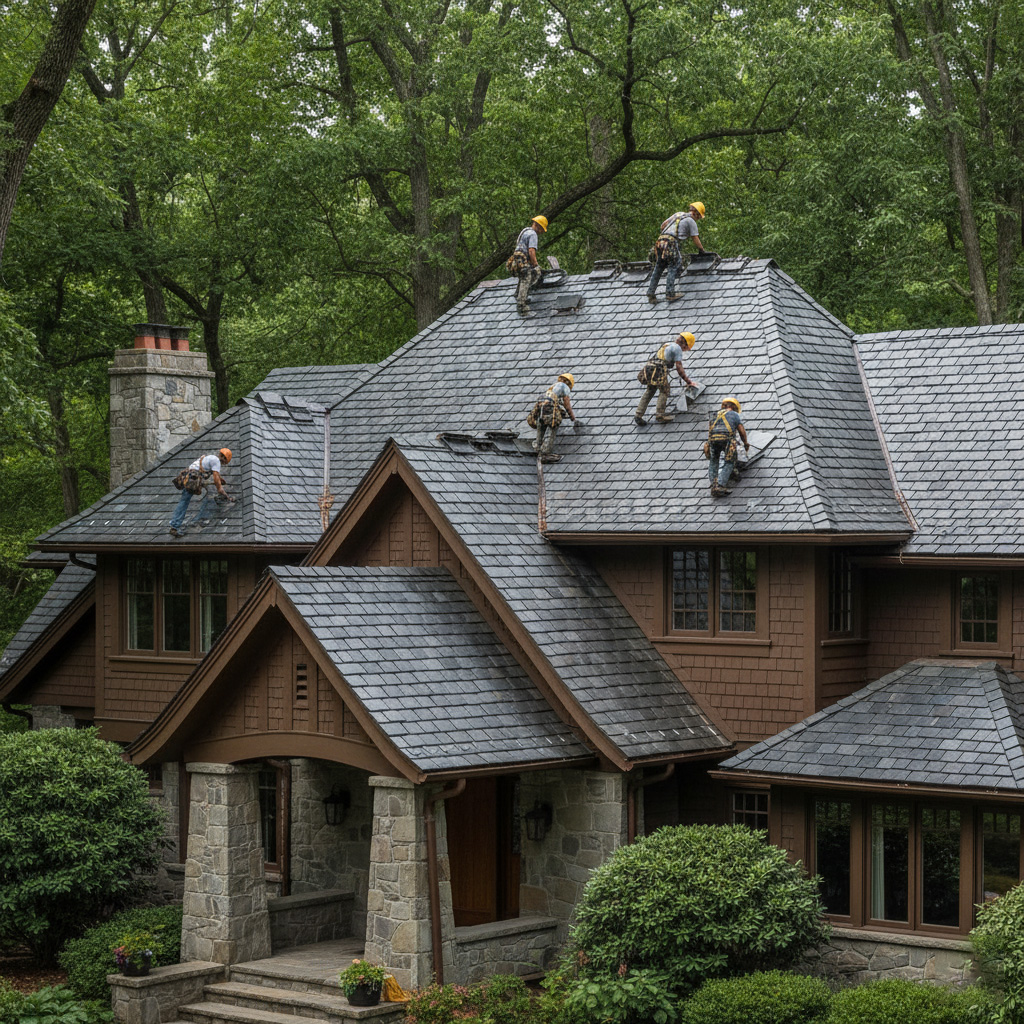
Pre-Installation Prep: What Philly Homeowners Need to Know
Before the crew shows up, grab a ladder and scout your roof. Check for soft spots, missing shingles, or sagging areas. Philly's freeze-thaw cycles wreck havoc, so document everything with photos for insurance or your contractor.
Secure Permits and Clear the Decks
Skip this step, and city inspectors shut your job down fast. Head to the Philadelphia Department of Licenses and Inspections website or call for a permit. Rowhomes often need neighbor notifications too.
- Trim overhanging branches that scrape during wind gusts.
- Clear gutters packed with leaves from those big oaks lining your street.
- Power wash debris off the roof surface for a clean slate.
Budget for an attic inspection next. Look for water stains or poor ventilation that turns your space into a sauna. Fix these now, or your new roof fights an uphill battle against Philly humidity.
Step-by-Step Roof Installation Process Tailored for Philadelphia
Philly roofs take a beating from ice dams and gale-force winds. That's why pros here skip shortcuts. They follow a battle-tested sequence that locks out leaks for years.
Step 1: Strip the Old Roof Down to the Deck
Tear off every shingle, underlayment, and flashing. Check for rot in the plywood decking—Philly's freeze-thaw cycles love to warp it. Replace any soft spots right away, or water will infiltrate fast.
Step 2: Layer on Ice and Water Shield
Roll out self-adhering ice and water shield along eaves, valleys, and around chimneys. This bulletproof membrane stops ice dams cold—Philly's winter specialty. Skip it, and you're begging for interior floods.
- Extend it 3-6 feet up from eaves for max protection.
- Press seams tight; no bubbles allowed.
- Pro tip: Double it in valleys where water pools.
Step 3: Drip Edge, Felt, and Starter Strip
Nail metal drip edge over the shield to direct water into gutters. Lay synthetic underlayment next for breathability. Finish with starter shingles weighted for wind uplift—key against nor'easters.
Field shingles go on now, in offset rows for strength. Hammer six nails per shingle, high and tight. Pros use pneumatic nailers for speed without skimping.
Step 4: Flash Vents, Chimneys, and Skylights
Step-flashing seals vertical surfaces; counter-flashing caps it. Philly rowhomes pack these penetrations tight, so precision matters. Botch this, and wind-driven rain sneaks in.
Step 5: Ridge Cap and Final Inspection
Cap the ridge with laminated shingles or metal for ventilation and looks. Walk the whole roof, checking for loose nails or gaps. A solid crew tests valleys with a hose before cleanup.
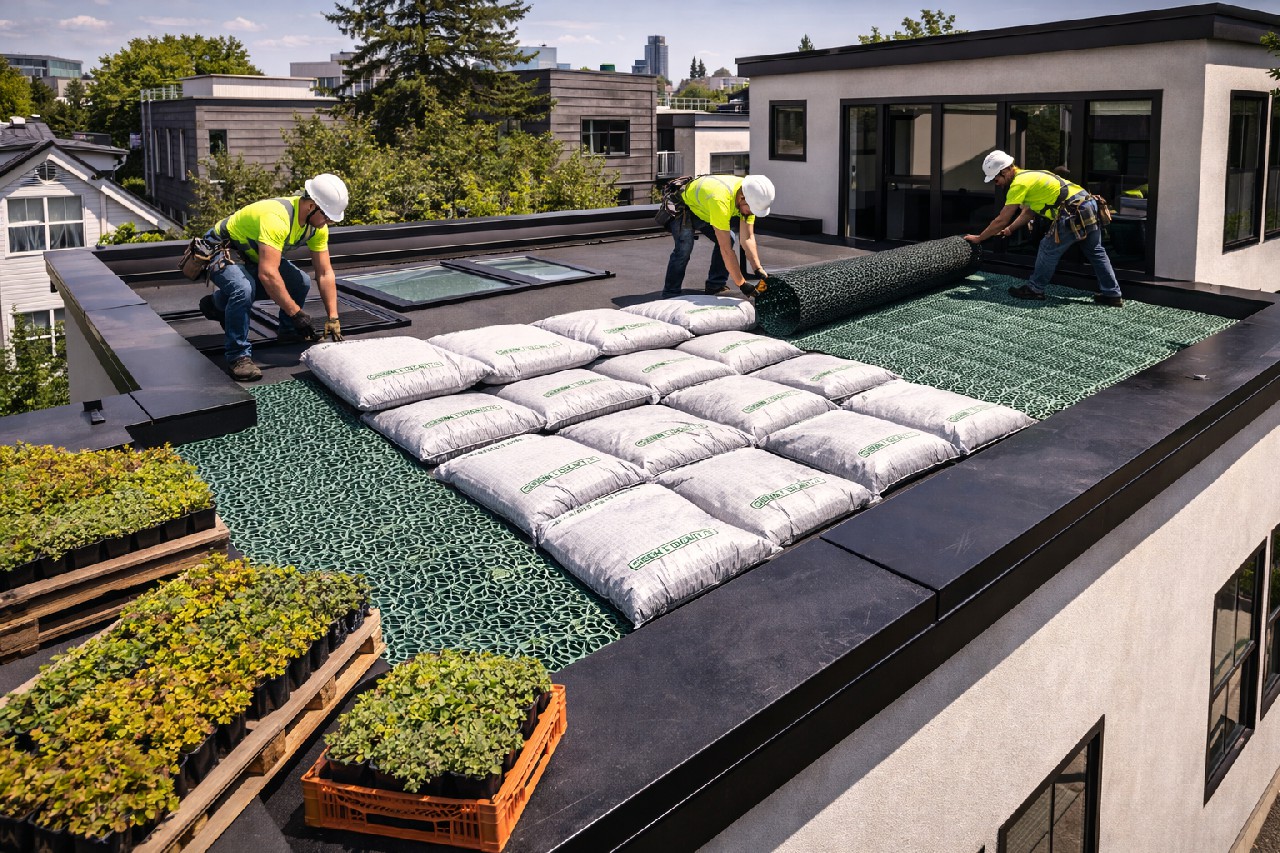
Hiring the Right Roofing Crew: Local Expertise Matters
Philly roofs take a beating from those relentless nor'easters and steep rowhome pitches. A crew from out of town might botch the job, ignoring local building codes or the quirks of our old brick homes. Stick with pros who bleed green and white—they know how to batten down the hatches against our wild weather.
Spot the Winners: Your Hiring Checklist
- Verify licenses and insurance: Check for Philly-issued contractor licenses and full liability coverage. No shortcuts here—one slip, and you're on the hook for damages.
- Demand local references: Ask for recent jobs in your neighborhood, like Fishtown or South Philly. Call those homeowners yourself.
- Review warranties in writing: Look for 20+ year material guarantees and 5-10 years on labor. Shaky promises mean shaky roofs.
- Get multiple bids: Compare three locals, but watch for suspiciously low quotes—they scream corner-cutting.
Interview like it's a first date. Grill them on experience with asphalt shingles in humid summers or metal flashing for ice dams. The best crews show up on time, explain the plan in plain English, and treat your home like their own. Nail this step, and your roof lasts decades.
Case Study: Reviving a Rowhome Roof in Center City
Picture this: A classic Center City rowhome on a narrow street, built in the 1920s. The owner, Mike, dealt with constant drips in the kitchen after every rain. Shingles curled up from years of brutal Philly winters, and wind had ripped seams wide open.
The Mess We Faced
Inspection revealed rot under the old layers. Ice dams had punched holes straight through. Mike's place screamed for a full tear-off before the next nor'easter hit.
- Water stains everywhere inside.
- Weak spots ready to cave.
- Energy bills spiking from poor insulation.
How We Turned It Around
We stripped it to the deck, then laid down impact-resistant asphalt shingles rated for Philly's wild swings. Added synthetic underlayment for extra leak protection. Crew finished in three days flat, no shortcuts.
Result? Zero leaks after two stormy seasons. Mike slashed his energy costs by 25%. His rowhome now stands strong, looking sharp against the skyline.
Final Thoughts
Your Philly roof deserves better than a quick fix that fails when the next nor'easter hits. Think long-term: pick tough materials, prep smart, and hire locals who battle this weather daily. Skip the headaches.
We've walked you through spotting trouble, material picks, and the full install dance. Now picture your home standing strong, no leaks, no stress. That's the Philly payoff.
- Spot early signs before damage spreads.
- Go for impact-resistant shingles rated for Zone 1 winds.
- Trust crews with GAF Master Elite badges and Philly street smarts.
Ready for your roof upgrade? Dive deeper into our Roof Installation options and lock in a free inspection today. Your home's waiting.
People Also Ask
How long does a roof installation typically take for a Philly home?
A standard asphalt shingle roof installation on a typical Philadelphia rowhome takes 1-3 days, depending on the roof size, pitch, and weather conditions. More complex projects like slate tiles or steep pitches can extend to 5-7 days. Always factor in Philly's unpredictable weather, which may cause brief delays.
What are the best roofing materials for Philadelphia's climate?
Asphalt shingles with impact resistance are ideal for Philly's heavy rain, snow, and occasional hail, offering durability and affordability. Metal roofing excels for longevity in extreme temperature swings, while architectural shingles provide enhanced wind resistance up to 130 mph. Consult local experts to match materials to your home's style and HOA rules.
How much does a new roof cost in Philadelphia?
Average costs range from $8,000-$20,000 for a 1,500 sq ft roof, with asphalt shingles at $5-$10 per sq ft and premium options like metal up to $15 per sq ft. Factors like roof pitch, accessibility in rowhome neighborhoods, and removal of old layers influence the final price. Philly homeowners may qualify for energy-efficient rebates or insurance discounts.
Do I need a permit for roof installation in Philadelphia?
Yes, Philadelphia requires a building permit for most roof replacements or installations over 25% of the roof surface. Submit plans through the Department of Licenses and Inspections (L&I), including contractor details and material specs. Licensed Philly roofers handle this to ensure compliance with local codes for wind and fire resistance.
How do I choose a reliable roofing contractor in Philadelphia?
Look for contractors licensed by the Pennsylvania Attorney General, with GAF or Owens Corning certifications, and strong reviews on Angi or Google specific to Philly neighborhoods. Verify insurance, warranties (at least 10 years), and local experience with rowhomes and historic properties. Get 3-5 written estimates and check references from Center City or Fishtown projects.

Philadelphia Roofing delivers expert roofing services to homes and businesses across Philadelphia, PA. With deep experience in installations, repairs, and maintenance, the team addresses the area's distinct weather challenges. Committed to the local community, Philadelphia Roofing focuses on reliable craftsmanship and lasting results.
Need Roofing?
Fast roof repairs and replacements in Philadelphia, PA and nearby areas (19103, 19107, 19111, 19123, 19148), delivering leak-free, weather-resistant homes quickly.
Get Roof Quote