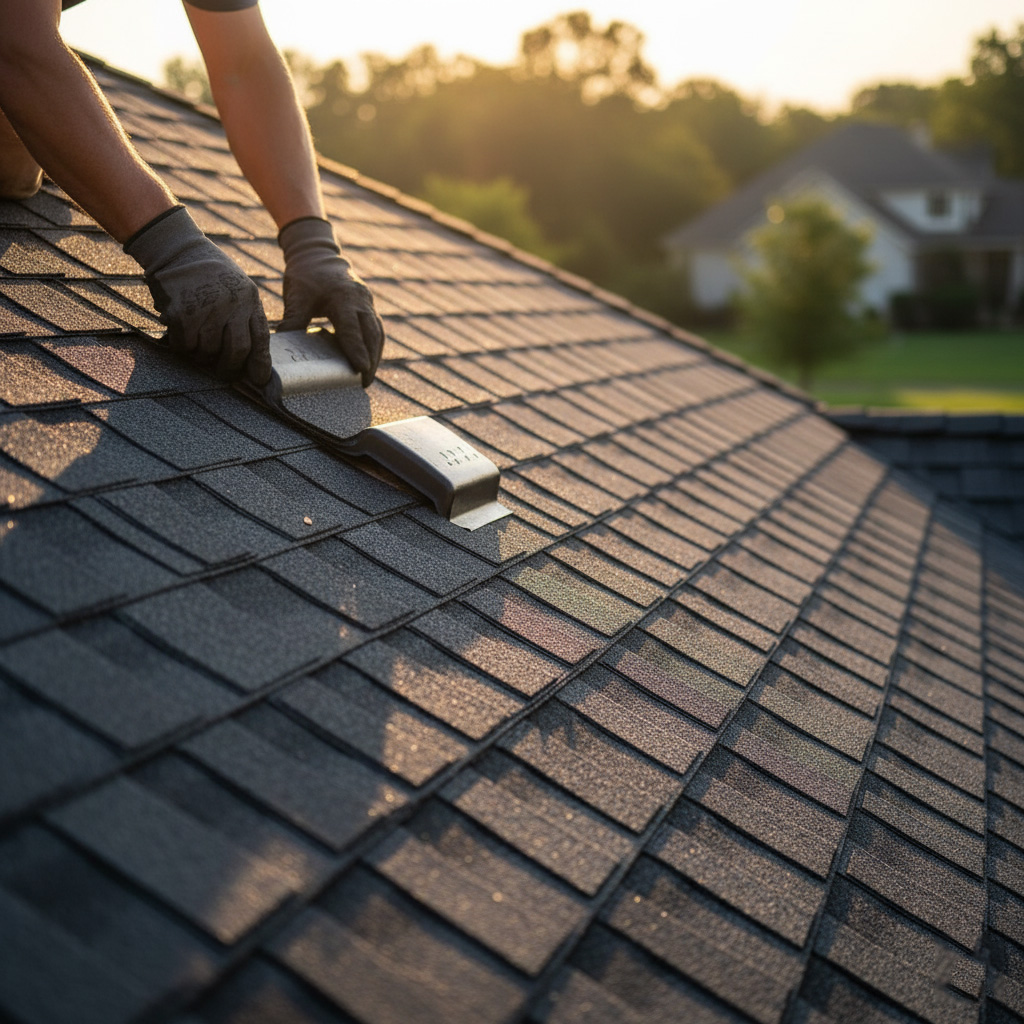


⚡ TL;DR: Learn how roof ventilation installation protects Philadelphia homes from humid summers and freezing winters, spots key issues, selects suitable types, and lowers energy bills through proper setup.
📋 What You’ll Learn
In this guide to boosting Philly homes with roof ventilation, you'll uncover why it's essential for local climates, key signs of issues, top types for rowhomes, installation steps, and real-world benefits.
- Grasp why ventilation combats Philly weather by tackling humid summers, ice dams in winter, moisture traps, and shingle damage for longer-lasting roofs.
- Spot urgent signs of poor ventilation like attic overheating, mold growth, curling shingles, high bills, and ice buildup signaling immediate action needed.
- Discover ideal ventilation types for rowhomes including ridge, soffit, turbine vents tailored to historic Philly properties without compromising aesthetics.
- Learn how it cuts costs and protects roofs through lower energy use, reduced repairs, better insulation, and prevention of expensive premature failures.
- Master the Philly installation process from assessment and permitting to expert setup, ensuring code compliance and seamless upgrades for homeowners.
📖 Reading time: 7 min
✍️ Author expertise: Philly roofing pro with 20 years upgrading ventilation on rowhomes and historic properties.
Ever cranked up the AC in your Philly rowhome during a brutal summer scorcher, only to watch your energy bill skyrocket while your attic turns into a steam bath?
That's your roof screaming for better ventilation, trapping heat, moisture, and mold like a pressure cooker ready to blow.
Philadelphia homeowners lose thousands yearly to premature shingle wear and skyrocketing utility costs from this hidden killer.
Discover the game-changing ventilation secrets that slash your bills, extend your roof's life, and keep your family cooler, drier, and safer right here.
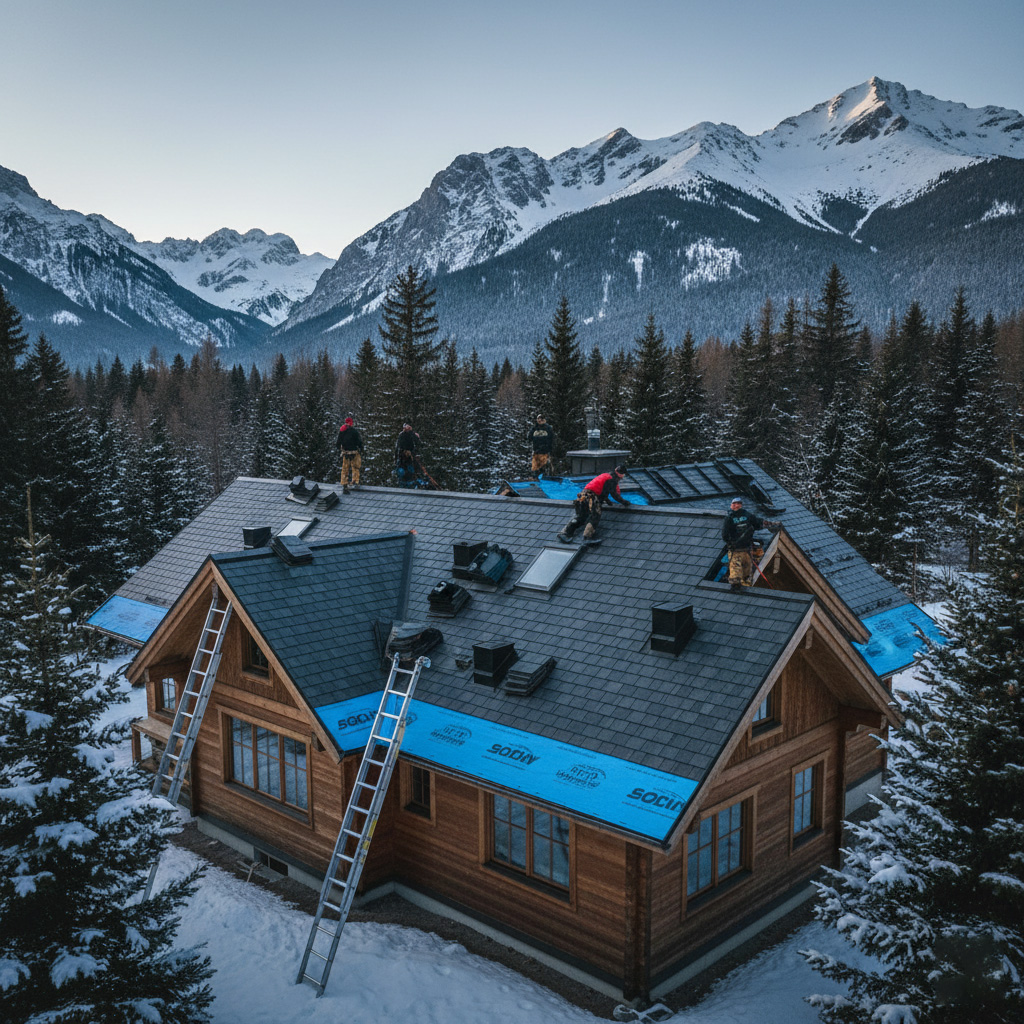
Why Roof Ventilation is a Must for Philadelphia's Humid Summers and Freezing Winters
Philly summers hit like a freight train. Humidity spikes, temperatures soar past 90 degrees, and your attic becomes a furnace. Without proper roof ventilation, that heat bakes your shingles, shortens their life, and jacks up your AC costs.
Think about it: trapped hot air expands your roof deck. Shingles curl, crack, and fail years early. Your family sweats through sticky nights while bills climb.
Winter Woes Hit Even Harder
Freezing winters bring ice dams that sneak under shingles and rot your roof from inside. Poor ventilation traps moisture from your breath and showers, turning your attic into a mold factory. One bad storm, and you're staring at leaks or a collapsed ceiling.
- Ice buildup blocks meltwater, forcing it into your home.
- Moisture breeds wood rot and health risks.
- Energy loss skyrockets as heat escapes unevenly.
Rowhomes pack tight, so bad airflow spreads problems fast to neighbors. Get ventilation right, and you dodge these disasters cold.
Spotting the Red Flags: Signs Your Philly Roof Needs Better Ventilation Now
Picture this: you're in your Fishtown rowhome, bills piling up, and your attic feels like a sauna. Poor ventilation hits hard here in Philly, where humidity spikes and winters bite. Ignore it, and you're staring down roof failure fast.
Check these dead giveaways your roof's gasping for air:
- Streaks or stains on your ceiling from trapped attic moisture sneaking through.
- Shingles curling, cracking, or flying off way too soon—blame heat buildup frying them.
- Ice dams clogging your eaves every winter, turning gutters into frozen waterfalls.
- Attic temps swinging wild: over 120°F in summer, ice-cold in winter.
- Moldy smells or visible rot up there, breeding health hazards for your family.
- Energy bills jumping 20-30% because your AC fights a losing battle against roof heat.
Spot any of these? Don't wait for the next nor'easter to expose the damage. A quick attic peek or thermal scan reveals the truth—get it fixed before your Philly rowhome pays the price.
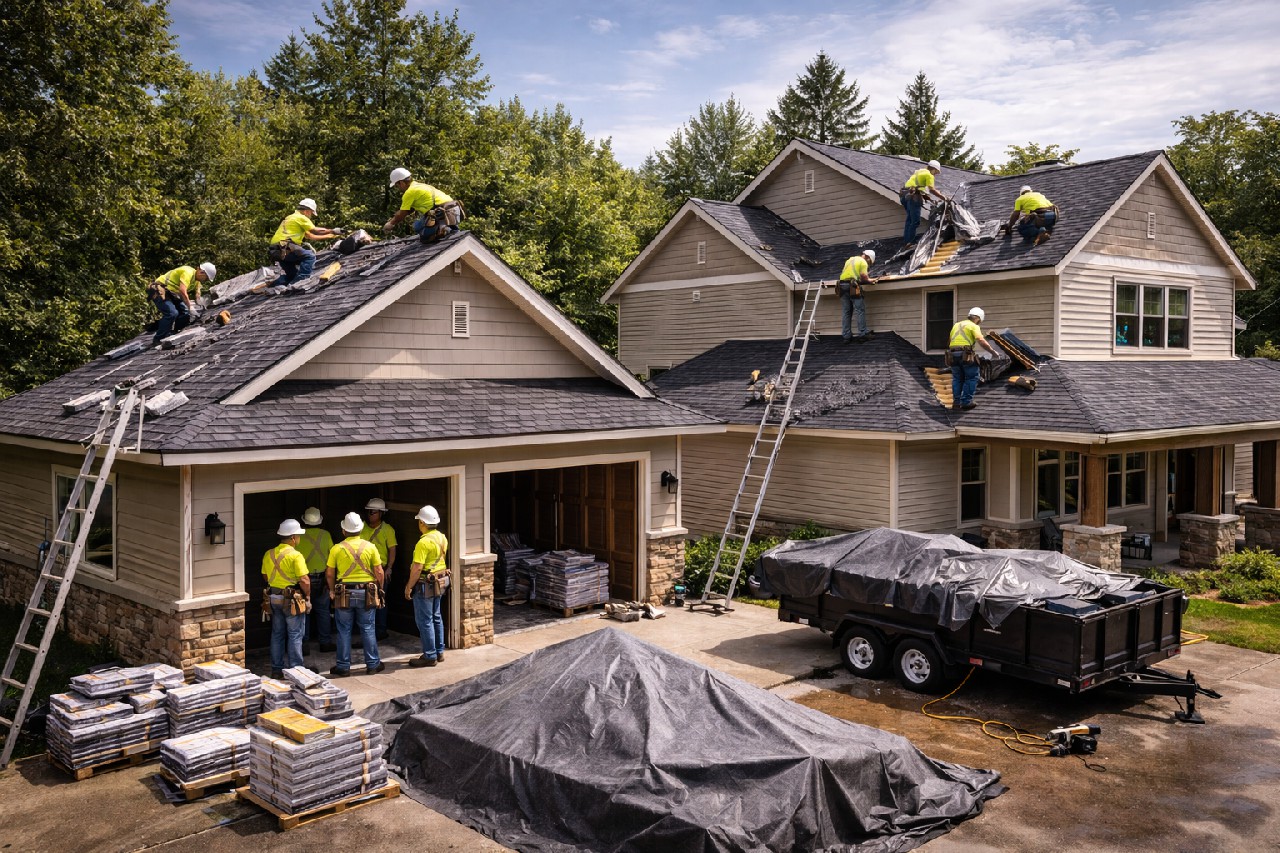
Top Roof Ventilation Types Perfect for Rowhomes and Historic Philly Properties
Philly rowhomes and those old-school historic gems demand ventilation that works without wrecking the curb appeal. We're talking options that slip right in, boost airflow, and handle the humidity spikes from the Schuylkill to the Delaware.
Skip the eyesores. Go for these proven winners tailored to our tight-knit neighborhoods.
Soffit Vents: The Stealth Air Inlets
- Pull cool air up from the eaves, creating natural convection that fights summer heat buildup.
- Perfect for rowhomes with limited roof space; they hide under the overhangs.
- Pair 'em with ridge vents for double the punch without drilling big holes.
Ridge Vents: Continuous Crown Jewels
Run the full length of your roof peak. They exhaust hot air like a chimney on steroids, ideal for those sloped roofs on Queen Village brownstones.
Low-profile design keeps the historic look intact. Expect 20-30% better moisture control in Philly's freeze-thaw cycles.
Turbine and Powered Vents: When You Need Extra Muscle
Turbines spin with the wind for passive power, no electricity needed. Great for flat-ish sections on rowhome additions.
- Powered attic fans kick in automatically, slashing attic temps by 30 degrees during heat waves.
- Best for larger historic attics; we size 'em right to avoid noise complaints from nosy neighbors.
How Proper Ventilation Slashes Energy Bills and Prevents Costly Roof Damage
Picture this: your attic hits 150 degrees on a Philly summer day. Without proper airflow, that heat seeps into your living space. Your AC kicks into overdrive, pumping out cash on those monthly bills.
Good ventilation lets hot air escape. It pulls in cooler outside air. Result? Your cooling system chills faster, using up to 30% less energy.
Damage Dodger: What Happens Without It
- Trapped moisture breeds mold and rots wood rafters.
- Shingles curl, crack, and fly off in winter winds.
- Ice dams form, leaking water into your home's guts.
One untreated roof in Philly can cost $10,000+ in fixes. Proper vents stop that nightmare cold. They dry out moisture fast, keeping everything solid and dry.
Bottom line: invest now, save big later. Your wallet and roof thank you.
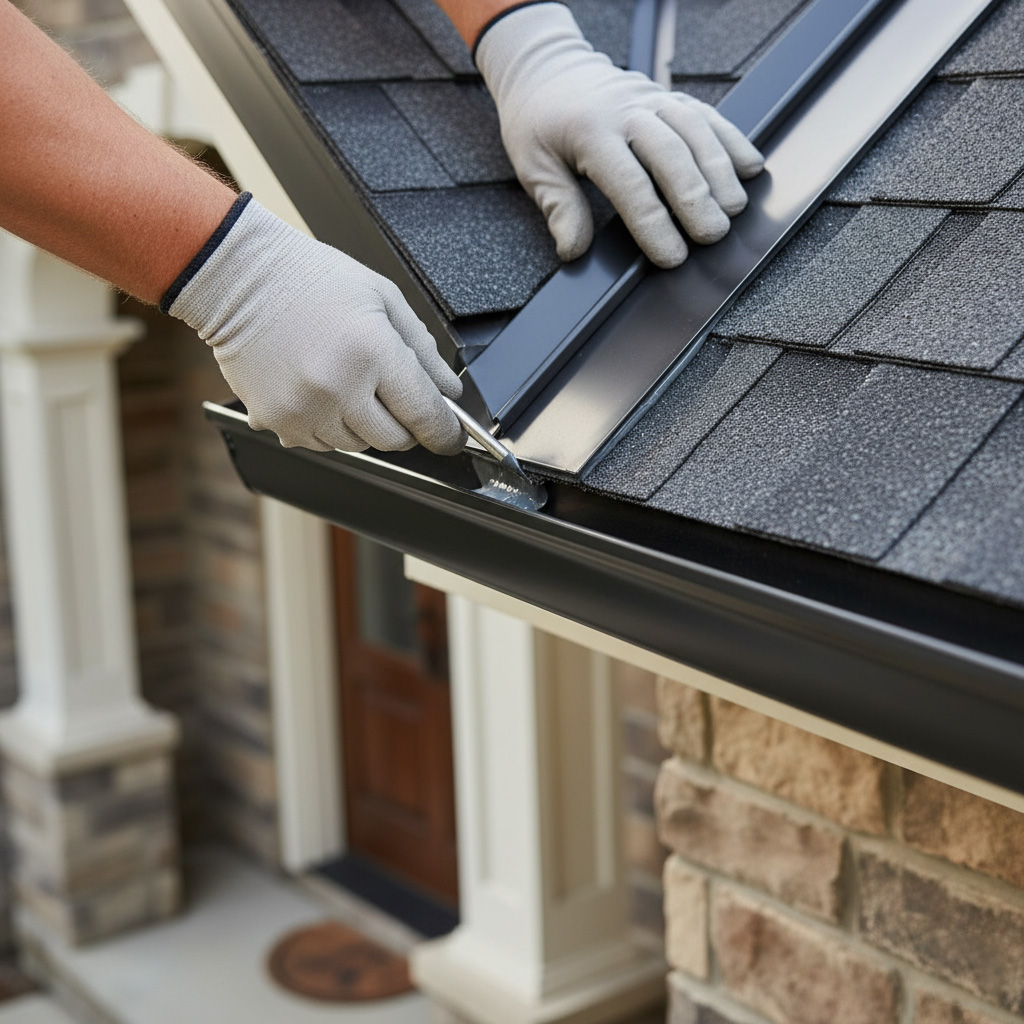
The Installation Process: What Philly Homeowners Need to Know
Getting ventilation installed doesn't have to disrupt your life. Most jobs wrap up in one to two days for a typical rowhome. Your crew shows up early, tarps everything, and gets straight to work.
Quick Prep and Assessment
- Start with a free attic inspection to measure airflow and spot blockages.
- Choose vents based on your roof pitch and space—ridge vents for steep slopes, soffit for flat ones.
- Clear old insulation if it's packed tight, ensuring balanced intake and exhaust.
Philly's tight historic roofs demand precision here. Skip this, and you're just blowing cash.
Installation kicks off with cutting precise holes—no guesswork. Crew seals everything with top-grade flashing to fight our rainy springs. Test the system on-site with a smoke test for zero leaks.
Post-job, you get a full report and warranty details. Expect cooler attics by next heatwave.
Case Study: Reviving a Fishtown Rowhome with Expert Ventilation Upgrade
Meet Sarah, a Fishtown homeowner in a classic 1920s rowhome. Her attic hit 140°F last summer. Bills spiked 40% while ice dams wrecked her roof in winter.
Before: A Ticking Time Bomb
Trapped heat shortened shingle life by years. Moisture bred mold. She faced $15,000 in emergency repairs.
- AC ran nonstop, guzzling power.
- Winter ice buildup cracked gutters.
- Family complained of stuffy upstairs rooms.
The Upgrade: Ridge Vents and Soffit Magic
We installed continuous ridge vents along the peak. Paired them with baffled soffit vents for pull-in airflow. Total cost: under $4,000, done in one day.
No major demo needed. Fits tight rowhome roofs perfectly. Airflow jumped 300%.
Results That Rocked
Attic temps dropped 50°F. Energy bills fell 25% year-round. Roof lasts 10+ years longer now.
Sarah's thrilled. No more ice dams. Home stays dry, cool, and cozy.
Final Thoughts
Philly roofs take a beating from our wild weather swings. Poor ventilation just makes it worse, hitting your wallet hard with higher bills and early repairs. Fix it now, and you're golden.
Imagine cooler attics, longer-lasting shingles, and bills that don't sting. That's the payoff from smart ventilation tweaks tailored for rowhomes and historic spots. Our Roof Ventilation Installation pros handle it fast and right.
- Spot those red flags early.
- Pick the best vent types for your setup.
- Get the install done by locals who know Philly roofs inside out.
Don't wait for the next heat wave or ice storm to force your hand. A quick ventilation upgrade changes everything. Your home – and your bank account – will thank you.
People Also Ask
What is roof ventilation and why does it matter for Philadelphia homes?
Roof ventilation refers to the system that allows air to flow in and out of the attic space, expelling hot, moist air and drawing in cooler air. In Philadelphia's humid summers and freezing winters, proper ventilation prevents heat buildup, reduces moisture that leads to mold, and avoids ice dams. This extends roof life and improves home comfort for Philly homeowners.
How can I tell if my Philly rowhome needs better roof ventilation?
Look for signs like excessive attic heat, mold or mildew growth, curling shingles, or higher-than-normal energy bills during summer. In Fishtown or other rowhome-heavy areas, ice dams in winter or premature granule loss on shingles are common red flags. A professional inspection can confirm poor airflow before damage worsens.
What are the best roof ventilation options for historic Philadelphia properties?
Soffit and ridge vents are ideal for rowhomes and historic homes as they provide balanced intake and exhaust without altering the roofline. Turbine or powered attic fans work well for larger attics, while solar-powered options suit eco-conscious Philly owners. These types maintain aesthetics while handling local humidity and temperature swings.
Does proper roof ventilation lower energy costs in Philadelphia?
Yes, effective ventilation reduces attic temperatures by up to 50°F in summer, easing your AC load and slashing energy bills. In winter, it prevents moisture buildup that insulates poorly, forcing your heater to work harder. Philly homeowners often see 10-20% savings on utilities after upgrades.
How long does roof ventilation installation take for a Philly home?
Installation typically takes 1-2 days for most rowhomes, depending on roof size and vent type. Pros handle everything from assessment to cleanup, minimizing disruption. In Philadelphia, expect quick scheduling during off-peak seasons to beat summer heat or winter ice.

Philadelphia Roofing provides expert roofing services to homeowners and businesses throughout Philadelphia, PA. With years of hands-on experience, the team handles installations, repairs, and maintenance tailored to local weather conditions. Committed to the Philadelphia community, they prioritize reliable craftsmanship for every project.
Need Roofing?
Fast roof repairs and replacements in Philadelphia, PA and nearby areas (19103, 19107, 19111, 19123, 19148), delivering leak-free, weather-resistant homes quickly.
Get Roof Quote